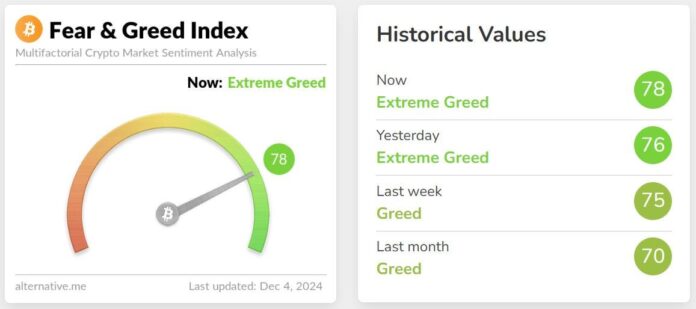
 influence trader decisions and market dynamics. By understanding these psychological factors, investors can develop more informed strategies, mitigate impulsive actions, and navigate the volatile crypto landscape with a balanced mindset. Learn key strategies for rational decision-making, the importance of education, and how to build a supportive trading community for long-term success in cryptocurrency investing.)
Introduction to Emotional Behavior in Crypto
The burgeoning world of cryptocurrency has not only revolutionized the financial landscape but also unveiled the intricate layers of human emotional behavior within trading environments. Understanding emotional responses, particularly in the context of crypto, is crucial for recognizing how they can significantly affect investor decisions and market dynamics. Historical data indicates that psychological states often play a pivotal role in market movements, making it essential to delve into the underlying emotions that influence trader actions.
Certain emotions, such as fear and greed, directly impact an investor’s mindset, shaping their perceptions of market opportunities and risks. For instance, fear can evoke reactions leading to rapid selling during market downturns, while an overwhelming sense of greed may drive individuals to invest recklessly during bullish trends. In this volatile environment, the phenomenon known as FOMO, or Fear of Missing Out in crypto, can exacerbate these emotional responses. Investors, eager to capitalize on potential gains, may enter the market at inflated prices, thereby pushing prices even higher in the short term.
As the crypto market operates around the clock and is influenced by a myriad of factors, including news and social media trends, the speed of emotional reactions can lead to significant volatility. This indicates that crypto emotions aren’t just individual feelings but collective behaviors that manifest in market trends. Traders must become aware of these psychological influences to navigate the complexities of crypto investments strategically. Recognizing how feelings like fear and greed fuel investment decisions allows for a more informed approach to trading, as understanding one’s emotional behavior can ultimately lead to better outcomes in this dynamic market.
The Psychology of Fear in Trading
Fear plays a crucial role in trading, particularly in the volatile world of cryptocurrency. This emotion significantly influences the decisions made by traders and investors alike. One of the most notable manifestations of fear in trading is panic selling. When market downturns occur or negative news surrounding a cryptocurrency emerges, fear can trigger impulsive decisions, leading investors to sell their holdings at unfavorable prices. Such actions often contribute to market instability and can exacerbate price declines, highlighting the power of emotional behavior in crypto markets.
Fear is also tightly linked to the psychological concept of loss aversion, which posits that individuals experience losses more intensely than they feel gains of the same magnitude. In bullish markets, investors might exhibit a more optimistic investor mindset; however, as fear sets in during bearish trends, the prospect of incurring losses can become overwhelming. This shift often results in a reluctance to invest in high-risk opportunities, as the fear of potential losses outweighs the desire for potential gains, further reinforcing the emotional dimensions of market behavior.
Moreover, fear in crypto trading isn’t just limited to panic selling—it also encompasses the avoidance of investments altogether. High volatility and unpredictable price swings can generate a significant fear of missing out (FOMO) among potential investors. However, for many, this FOMO can lead to paralysis, as they avoid entering the market due to fears sparked by others’ successes. The interplay between FOMO in crypto and fear creates a complex emotional landscape that traders must navigate, impacting their decision-making processes.
In conclusion, understanding the psychology of fear is integral to comprehending emotional behaviors in crypto markets. By recognizing how fear, loss aversion, and the avoidance of risk influence trading decisions, investors can develop better strategies for managing their emotional responses, ultimately leading to more informed trading practices.
Greed and Its Role in Market Fluctuations
Greed plays a significant role in shaping market dynamics, particularly within the volatile realm of cryptocurrencies. As investors grapple with their emotions, the overwhelming desire for profit can lead to irrational decision-making and ultimately impact market stability. The phenomenon of ‘FOMO in crypto’, or fear of missing out, frequently coincides with instances of greed, prompting investors to chase profits without sufficient analysis or consideration of risks.
This inclination towards greed often manifests during bullish trends, where the optimism generated by rising prices encourages many investors to engage in speculative trading. As prices soar, the psychological grip of greed tightens, pushing individuals to invest recklessly. This behavior creates a feedback loop: as more investors enter the market driven by greed, prices are driven even higher, often leading to the formation of speculative bubbles. Such bubbles can inflate valuations far beyond any reasonable expectations of long-term value.
Moreover, greed can cloud rational judgment. When investors are caught up in the euphoria of potential gains, they may disregard market fundamentals or neglect to implement risk management strategies. This neglect can result in substantial financial losses when the market corrects itself. As profit-taking becomes widespread, the rapid shift in sentiment can lead to sharp declines in asset prices, often referred to as market corrections. The crucial investor mindset should balance greed with caution, emphasizing the need for thorough research and a disciplined approach to trading.
Recognizing and mitigating the impact of greed is essential for market participants aiming to navigate the complexities of crypto emotions. By acknowledging the influence of greed and its potential to fuel market fluctuations, investors can cultivate a more balanced perspective, reducing the likelihood of being swept away by emotional trading behaviors.
FOMO: The Drive to Follow the Crowd
FOMO, or Fear of Missing Out, is a prominent psychological influence within the realm of crypto investment. This emotional response often triggers impulsive trading decisions that can disrupt an investor’s strategy and lead to significant financial losses. In recent years, as cryptocurrencies have gained popularity, FOMO has become increasingly prevalent, particularly among new and inexperienced investors attempting to navigate this volatile market.
Investors frequently encounter situations where they observe sudden price surges or social media discussions about “hot” cryptocurrency assets. This can create an overwhelming sense of urgency that encourages individuals to jump into investments without proper analysis. The desire to not miss out on what is perceived as an opportunistic moment can overshadow critical elements of crypto psychology, such as risk assessment and thorough research. Consequently, this hasty behavior often results in regret when the market experiences corrections, leading many to lose trust in their investor mindset and decision-making abilities.
The role of social media in amplifying FOMO cannot be understated. Platforms like Twitter, Reddit, and Telegram serve as breeding grounds for hype cycles where market sentiments can inflate values rapidly. The constant barrage of notifications related to price milestones or testimonials of quick profits can exacerbate feelings of inadequacy among investors, driving them to follow trends rather than implement strategic financial practices. As a result, many traders find themselves in a precarious position, acting simply on emotion rather than informed analysis.
Understanding how crypto emotions like FOMO influence investment behavior is pivotal. By recognizing these triggers and developing a balanced mindset, investors can better resist the allure of impulsive trading decisions. Ultimately, cultivating this awareness can lead to more disciplined approaches in the crypto markets, fostering long-term success while mitigating the risks associated with emotional decision-making.
Case Studies: Emotional Market Behavior in Action
To better understand the dynamics of crypto psychology, it is essential to explore real-world examples that showcase how emotions like fear, greed, and FOMO (fear of missing out) have influenced market movements. One of the most significant instances occurred during the meteoric rise of Bitcoin in late 2017. As Bitcoin’s price skyrocketed, many investors experienced a sense of FOMO, driving them to buy into the asset despite its rapid appreciation. This culminated in Bitcoin achieving an all-time high of nearly $20,000, fueled predominantly by speculative trading driven by overwhelming greed.
However, this sentiment did not last long, and the subsequent crash in early 2018 provides an important case study. As prices plummeted, fear took hold of investors, leading to massive sell-offs. The sinking feeling of losing investments triggered panic selling, further exacerbating the downward spiral. This chain reaction illustrates how investor mindset
Another notable example is the March 2020 crisis when the global pandemic impacted various markets. During this time, many investors were struck by fear, causing sharp declines across crypto assets. However, as some individuals began to recognize potential buying opportunities in the face of widespread pessimism, a contrasting emotion surfaced—fear of missing out on potential gains. This mixed emotional state played a role in the subsequent recovery of Bitcoin and other cryptocurrencies, leading to new all-time highs by late 2020.
These case studies underscore the sheer power of crypto emotions in shaping market behavior. By examining how fear, greed, and FOMO manifest in trading actions, one can gain a deeper understanding of the psychological factors at play in the ever-volatile cryptocurrency landscape.
Strategies for Rational Decision-Making
Investing in the cryptocurrency market can often elicit strong emotional reactions, making it vital for traders and investors to adopt strategies that promote rational decision-making. One of the first steps in mitigating the influence of crypto emotions such as fear and greed is to create a well-defined trading plan. This plan should outline the investor’s goals, the criteria for entering and exiting trades, and the overall investment horizon. A clear framework can help investors stay disciplined, reducing the likelihood of being swayed by FOMO in crypto or making impulsive decisions based on market volatility.
Setting specific, achievable goals is another essential strategy for cultivating a healthy investor mindset. By establishing measurable objectives, investors can maintain focus and direction, which is particularly important during periods of market turbulence. This method helps individuals avoid knee-jerk reactions to fear-driven events and encourages a more calculated approach to investing.
Utilizing risk management strategies is also crucial in creating a buffer against emotional decision-making. Investors should determine the level of risk they are willing to take on and implement stop-loss orders and position sizing strategies to protect their capital. This preventative approach helps to safeguard against emotional responses that can arise during sudden market downturns.
In addition to these strategies, practicing mindfulness can significantly improve the ability to navigate the ups and downs of the crypto markets. Techniques such as meditation, deep breathing, and maintaining a journal of one’s thoughts and feelings can empower investors to reflect on their emotional responses and biases. By acknowledging and addressing these feelings, individuals can better manage their investor mindset, allowing for a more rational approach to trading.
By adopting these methods, investors can create a more rational framework for their trading activities, leading to better decision-making outcomes in the highly emotional landscape of cryptocurrency markets.
The Importance of Education and Information
In the realm of cryptocurrency trading, understanding the psychological components that drive market dynamics is essential for developing a robust investor mindset. Education plays a pivotal role in equipping traders with the necessary tools to navigate the intricate landscape of crypto emotions, including fear and greed. By fostering an environment of continuous learning, investors can cultivate a disciplined approach that counters irrational behaviors like FOMO in crypto (Fear of Missing Out).
One of the primary facets of trading education revolves around mastering technical analysis. This analytical skill allows investors to interpret price movements and trends, empowering them to make informed decisions based on data rather than impulsive feelings. A comprehensive grasp of market indicators can lead to a significant reduction in susceptibility to emotional disturbances that often cloud judgment. Moreover, being educated about market dynamics helps in identifying how external factors such as news events and social media influence crypto emotions, allowing for greater control over decision-making.
In addition to technical knowledge, developing emotional intelligence is indispensable. Understanding one’s emotional responses to market fluctuations can prevent detrimental reactions during periods of heightened stress. Educational resources that focus on the psychological aspects of trading can help investors recognize patterns of behavior that often result in losses. By building self-awareness, traders can dismantle negative thought processes that contribute to poor trading outcomes and instead lay the groundwork for a more calculated approach.
Staying informed through reliable sources cannot be overstated. Utilizing reputable news outlets, analysis platforms, and community discussions enhances an investor’s ability to make well-rounded, data-driven decisions. This commitment to knowledge ultimately leads to more judicious trading practices, mitigating the impact of FOMO in crypto and harnessing the investor’s emotional business environment constructively. As the crypto market continues to evolve, ongoing education remains vital for long-term success.
Building a Supportive Trading Community
In the high-stakes world of cryptocurrency trading, where emotions can run high, having a supportive trading community is invaluable. The psychological benefits of being part of such a community contribute significantly to managing the often volatile crypto emotions that traders experience. Collaborative environments where individuals can share insights and strategies foster a sense of belonging, reducing the feelings of isolation that are common in the crypto space.
Engaging with fellow traders allows for the exchange of knowledge and experiences, enabling participants to learn from one another’s successes and mistakes. This collaborative approach can mitigate the impacts of FOMO in crypto trading, as sharing information often curbs impulsive decisions driven by fear and greed. Instead of succumbing to immediate emotional reactions, members of supportive communities can leverage group discussions to assess market conditions more rationally. As individuals gain confidence from shared knowledge, they also cultivate a more stable investor mindset, which is crucial for making informed trading decisions.
Furthermore, many trading communities organize group activities, including webinars, discussion forums, and live trading sessions. These events provide valuable opportunities for members to seek feedback on their trading strategies and emotional approaches. In this context, individuals can develop a deeper understanding of their psychological triggers and the interplay between their emotions and trading performance. Such self-awareness can lead to more disciplined trading practices, ultimately resulting in improved outcomes. Whether through online social platforms or local meetups, the collective effort in sharing emotions and experiences reinforces a supportive atmosphere that can be essential for sustaining long-term engagement in the crypto markets.
Conclusion: Balancing Emotions and Rationality in Crypto Trading
In the ever-evolving world of cryptocurrency, understanding investor mindset is paramount for successful trading. Emotions such as fear, greed, and the fear of missing out (FOMO in crypto) significantly impact decision-making processes within this volatile market. Acknowledging crypto emotions can provide traders with crucial insights into their behavior and the motives driving market fluctuations. By recognizing these emotional influences, investors can make more informed decisions, enhancing their overall trading strategies.
Throughout this article, we examined how emotional factors can lead to impulsive actions, often resulting in poor trading outcomes. For example, when the market experiences a sudden decline, fear can compel investors to sell impulsively, locking in losses instead of waiting for potential recovery. Conversely, during steep price surges, FOMO can drive traders to buy hastily, often at inflated prices. This highlights the necessity for traders to cultivate emotional awareness and strive for a balanced approach.
To navigate the complexities of the crypto landscape effectively, it is essential to pair emotions with rationality. Developing a disciplined investor mindset involves establishing clear trading goals, adhering to a well-defined strategy, and staying informed about market trends. Traders should also cultivate the capability to reflect on their emotional responses, thus avoiding reactions based solely on fear or greed.
In conclusion, achieving a balanced approach between emotions and rationality is crucial for navigating the unpredictable nature of cryptocurrency trading. By recognizing the impact of emotional behavior, traders can improve their decision-making processes and ultimately enhance their performance in the crypto market. A sound understanding of crypto psychology is an invaluable asset for all investors looking to thrive in this dynamic environment.