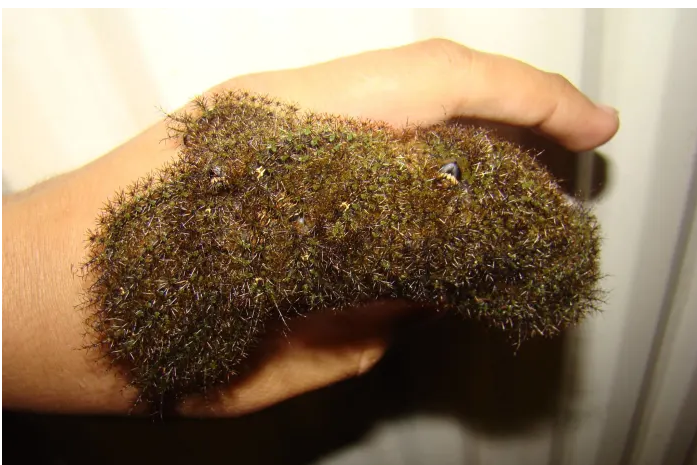

They may look harmless, but these fuzzy caterpillars have earned a chilling nickname: the “assassin caterpillar.” Known in Spanish as taturana, these insects belong to the genus Lonomia — and experts say they are among the most venomous caterpillars on Earth.
Why so dangerous? The larvae of some Lonomia species carry a powerful hemotoxin capable of causing internal bleeding, clotting disorders, and, in extreme cases, death. The species Lonomia obliqua is notorious for its venom, which can trigger severe hemorrhagic conditions in victims. That reputation has made the genus the most feared among moth species.

Despite their deadly potential, scientists admit they know surprisingly little about the life cycle and biology of these creatures. To date, severe hemotoxic reactions have only been documented in two species: L. obliqua and L. achelous. Yet the genus includes at least 32 known species — and possibly more.
Here’s the twist: The same venom that makes these caterpillars so dangerous could also hold life-saving medical applications. The toxins act as potent blood thinners, leading researchers to believe they may be useful in developing new treatments for clotting disorders and other conditions. Several labs worldwide are now studying the venom for pharmaceutical breakthroughs.
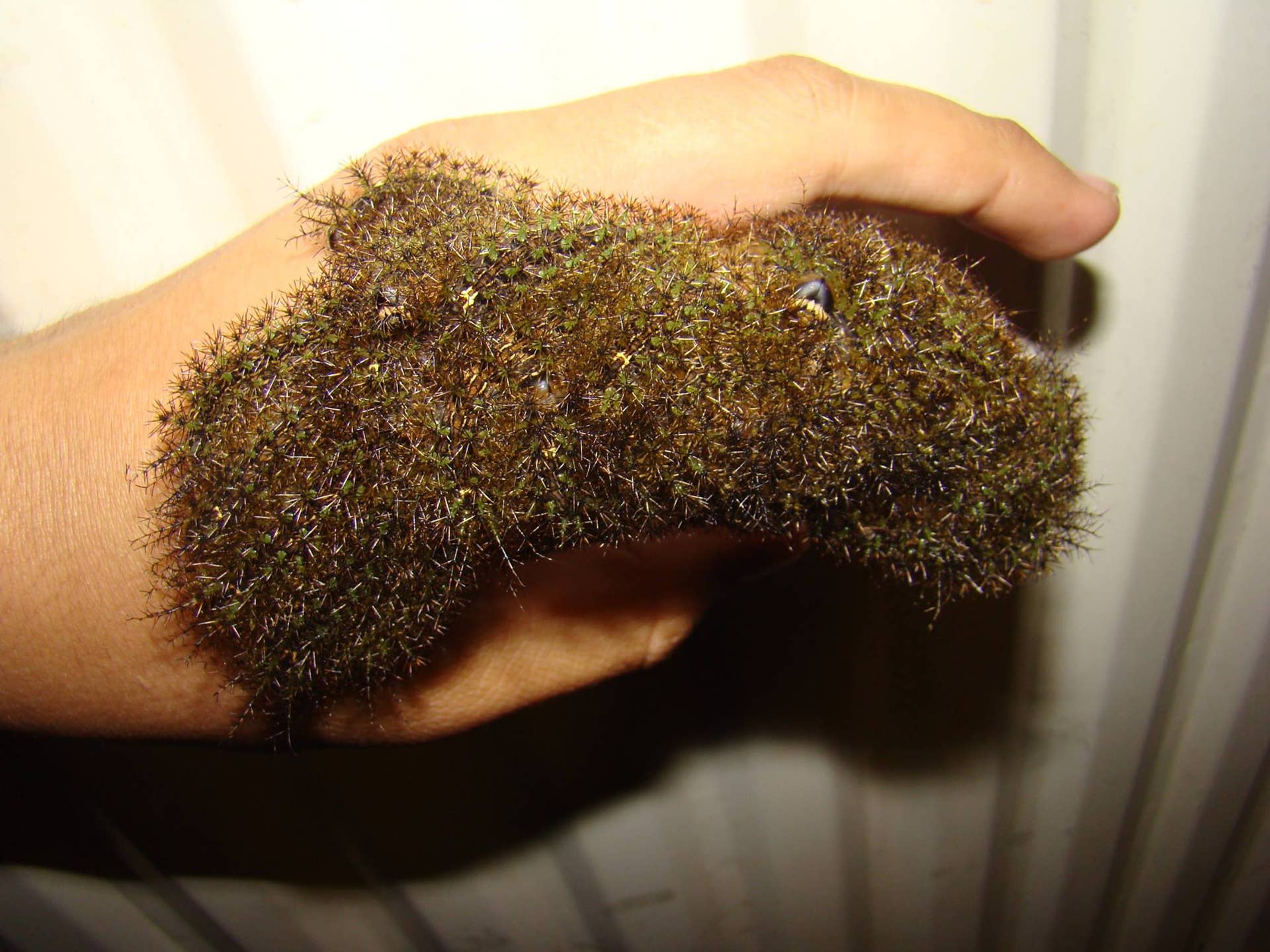
The most recent study zeroes in on Lonomia electra, a species found in Costa Rica. Scientists meticulously tracked the insect’s development and behavior — even going as far as performing skin-contact tests to gauge the impact of its venom. Yes, you read that correctly: an entomologist deliberately exposed his own skin to the caterpillar’s spines in the name of science.
These caterpillars are part of the Saturniidae family and fall under the Hemileucinae subfamily, a group that consists of roughly 630 species found across North and South America. Like their relatives, Lonomia larvae are covered in toxic spines. For the experiment, scientists bred L. electra in captivity for three generations, recording every stage of development. The entire process — from egg to pupa — took about 130 days, with larvae feeding on Ligustrum ovalifolium leaves.
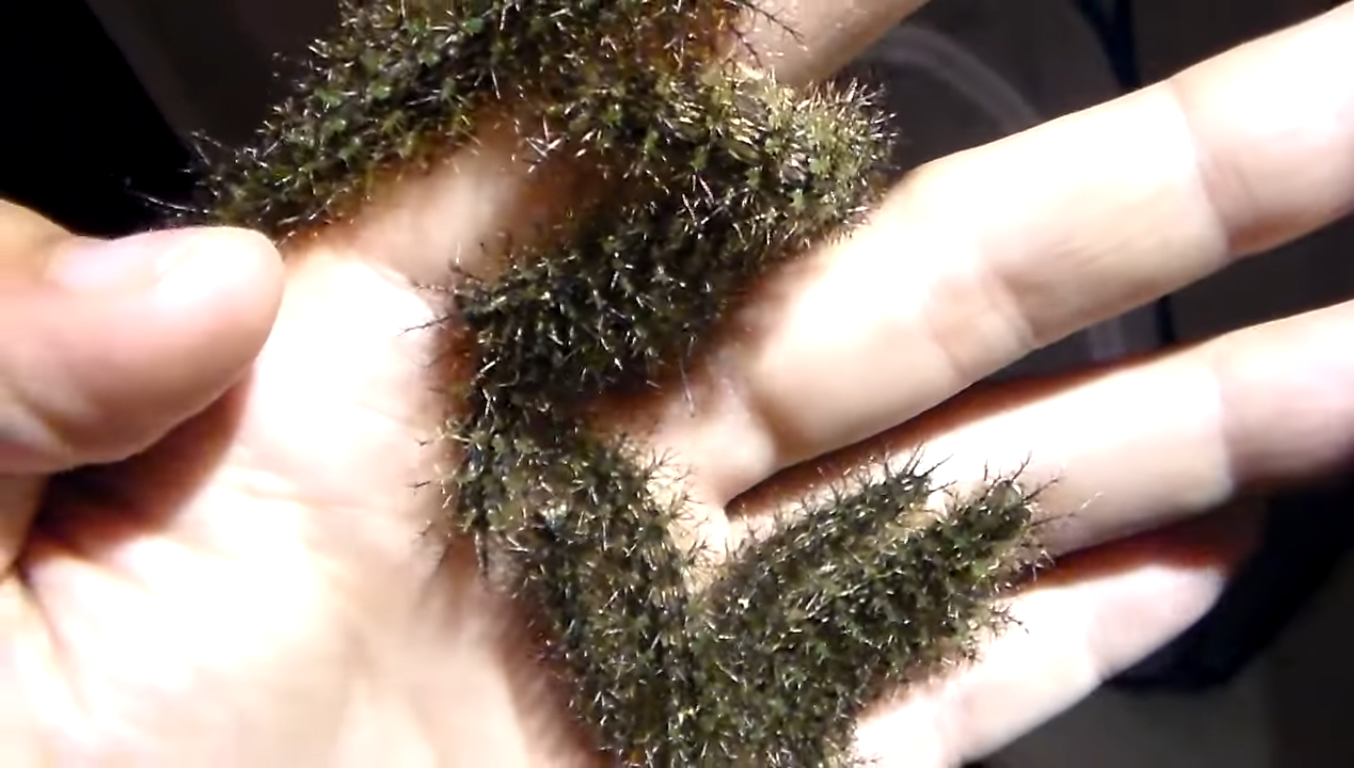
Researchers noted that the larvae are highly social, traveling and feeding in large groups — the same behavior that often leads to severe envenomation in humans who accidentally brush against clusters of them. During the controlled tests, the scientist began by touching a few spines at a time, gradually increasing exposure. While there were no signs of internal bleeding or severe hemotoxic symptoms, the contact did cause a burning sensation and hives.
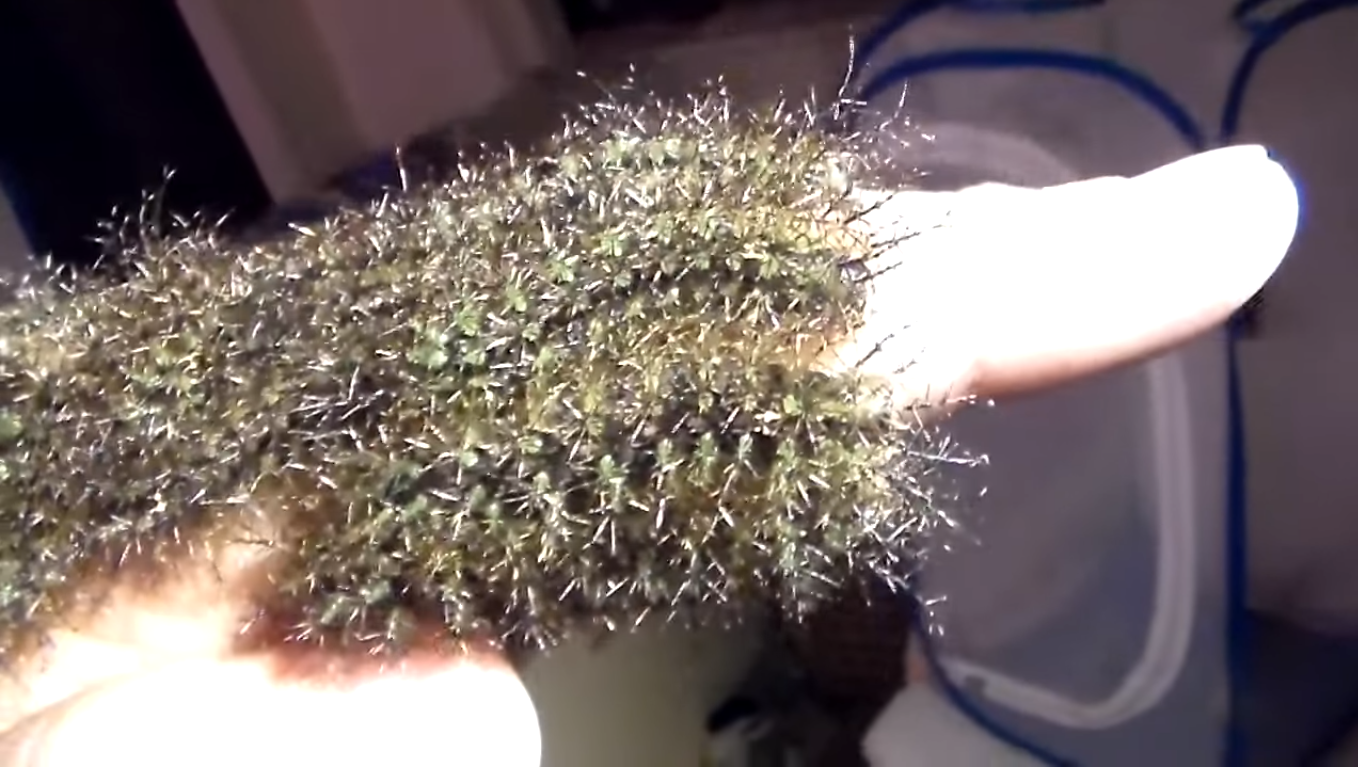
The findings suggest venom potency varies widely among species. Experts hope continued research will unlock more secrets about these remarkable — and terrifying — caterpillars.