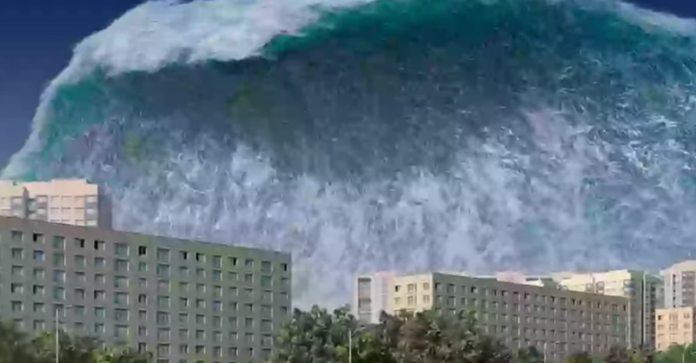

Scientists have identified the USA’s three most lethal tsunami risk zones, and millions of people live directly in the path of destruction. The Pacific Northwest, East Coast, and Gulf Coast face different levels of catastrophic dangers from these towering ocean waves. These aren’t distant threats and are ticking time bombs triggered by earthquakes, underwater landslides, and rising seas.
What Turns Normal Ocean Into a Killer Wave
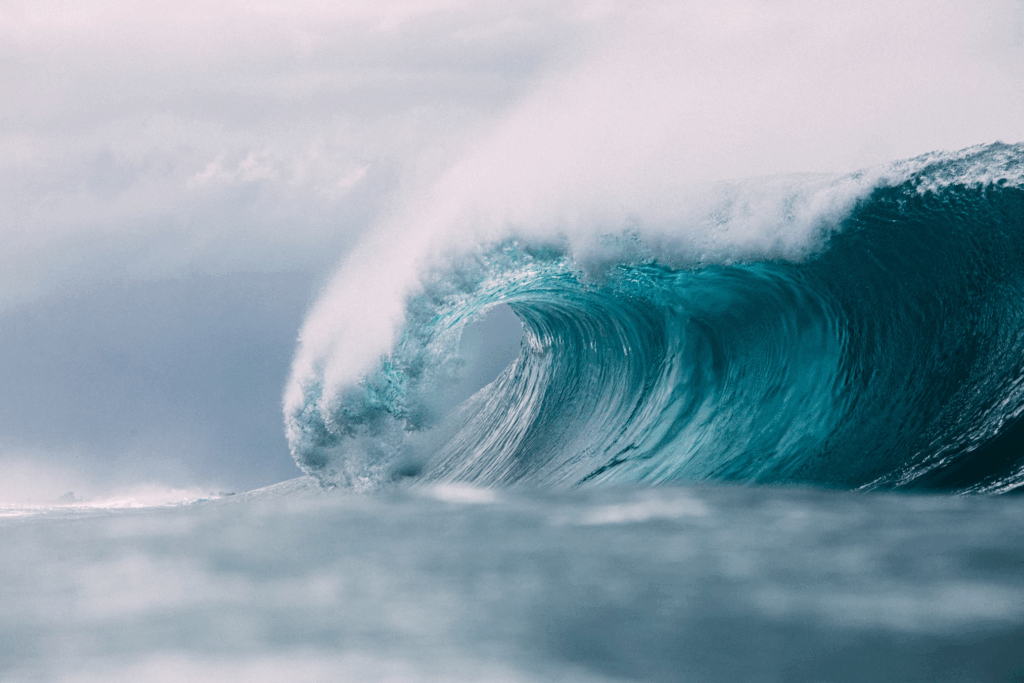
Tsunamis are nothing like regular beach waves. These massive killer waves start when something enormous moves underwater: earthquakes, landslides, or volcanoes. They race across oceans at speeds up to 500 miles per hour, moving water from the ocean floor to the surface. Out in the deep ocean, These massive waves look deceptively calm, but when they hit shallow water near coastlines, they grow taller and more destructive. Their speed depends on water depth, not distance traveled. Tsunamis are NOT tidal waves.
Pacific Northwest – USA’s Highest Tsunami Danger Risk Zone
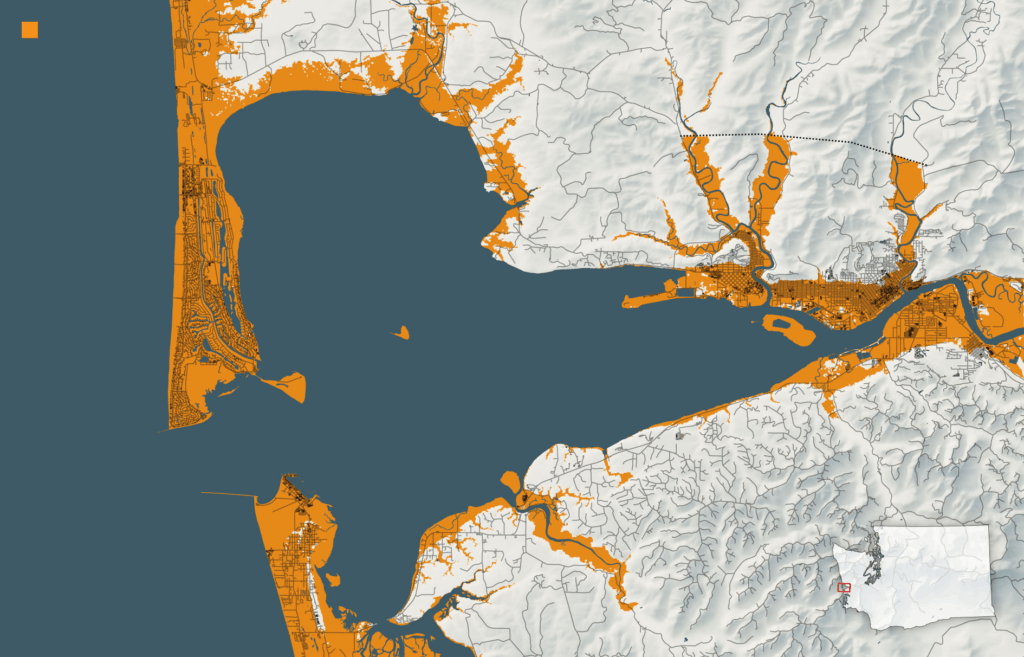
Washington, Oregon, and Northern California sit directly above a 700-mile underwater fault line called the Cascadia Subduction Zone. The last time this geological giant released its power was January 26, 1700, creating waves so overwhelming big they crossed the entire Pacific Ocean and hit coastal Japan. Scientists believe there’s a 10 – 14% chance of another magnitude 9.0+ earthquake happening within the next 50 years. These waves could reach between 30 to 100 feet high, obliterating everything in their path. When these powerful earthquakes cause coastal land to suddenly drop several feet, the disastrous flooding becomes much worse of a problem, leaving communities trapped below sea level.
Ghost Forests Tell a Terrifying 300-Year-Old Story
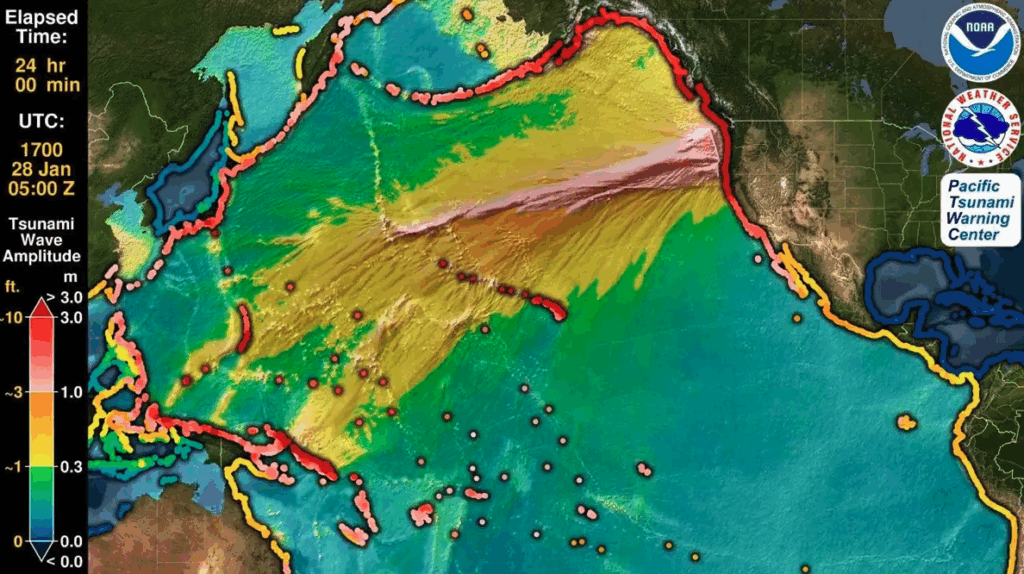
Walk the Pacific Northwest coast and you’ll see “ghost forests” where dead trees stand bleached white against gray winter skies. These eerie markers show where the land dropped suddenly in 1700 during the last mega-wave event. The Native American stories tell of giant waves that swallowed entire villages. Japanese records confirm the 1700 wave crossed the Pacific. Scientists have found evidence that these massive waves strike every 300 to 600 years. We’re overdue.
East Coast – The Sleeping Giant Most People Ignore
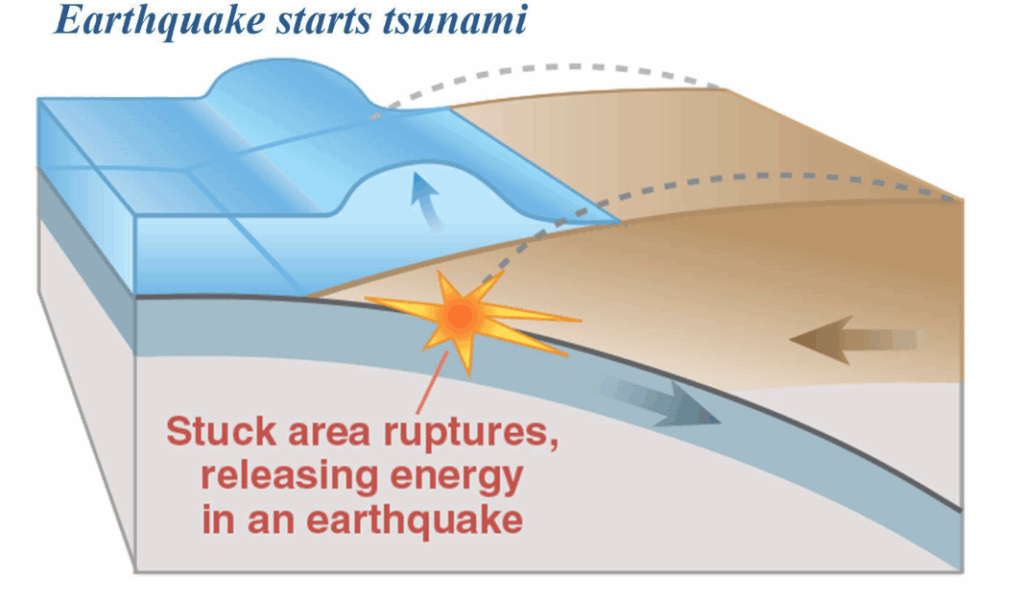
The East Coast faces equal danger from underwater landslides and distant earthquakes. However, the main threat lurks on the continental shelf, where earthquakes around magnitude 4.5 could trigger underwater landslides. The 1755 Lisbon earthquake proved how far tsunamis can travel, sending lethal waves across the Atlantic to North America. Caribbean earthquakes pose a major threat to Florida and the Southeast. The Caribbean fault system runs 2,000 miles and could affect over 35 million people.
When the Caribbean Turned Lethal
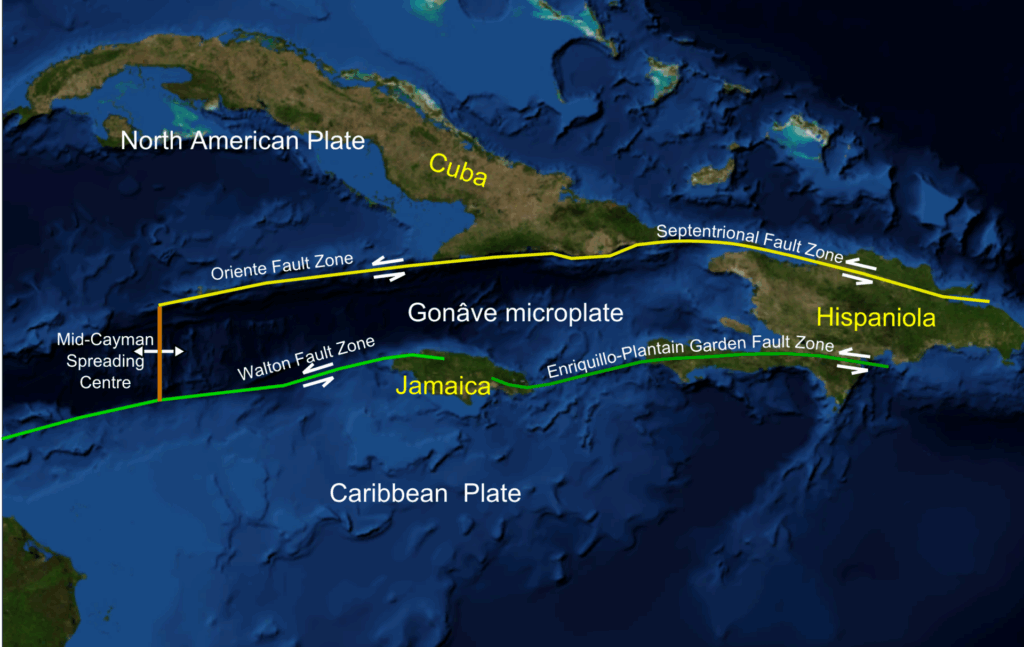
Puerto Rico learned this harsh lesson in 1918 when a massive wave killed 40 people. The Dominican Republic tsunami in 1946 was even more devastating, killing over 1,600 people. The Caribbean has a history that most Americans ignore. These aren’t ancient history campfire stories but urgent warnings of what could happen again. The fault systems remain active, steadily building pressure, waiting to release the next mega-killer wave.