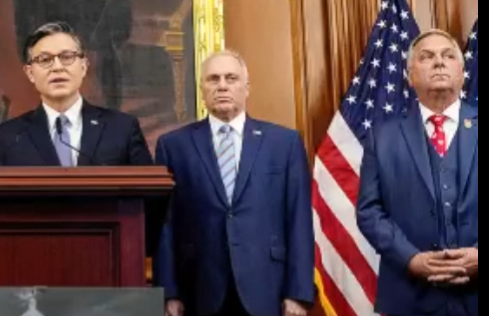

In the annals of American political history, certain moments stand out as game-changing innovations that fundamentally alter how campaigns are run and elections are won. Now, a bold new strategy is emerging from the highest levels of Republican leadership—one that breaks decades of traditional political timing and could establish a new template for how parties mobilize their base in the modern era.
The unprecedented plan, born from a phone call between the nation’s most powerful political figures, represents a dramatic departure from conventional electoral strategy. If implemented, it would mark the first time in American history that such an ambitious political gathering has been scheduled specifically to influence midterm elections, potentially creating a new model for how parties maintain momentum between presidential cycles.
What makes this strategy particularly intriguing is not just its novelty, but the broader political context in which it’s being proposed. The timing comes amid seismic shifts in American political demographics, unprecedented changes in voter registration patterns, and a Republican Party that appears to be riding an unprecedented wave of grassroots enthusiasm that its leaders are eager to harness and amplify.
The Genesis of a Political Innovation
The conversation that sparked this revolutionary approach to midterm politics took place during a routine interaction that quickly evolved into something far more significant. House Speaker Mike Johnson was in Detroit when his phone rang with a call that would potentially reshape Republican electoral strategy for years to come.
“He called me 15 minutes before that truth and he said, ‘Mike, I’ve got a great idea,’” Johnson recounted during a Fox News interview, describing the moment President Donald Trump shared his unconventional proposal. The spontaneous nature of the call and Trump’s evident enthusiasm for the concept reflects the kind of political creativity that has consistently caught establishment observers off guard.
The idea that emerged from this conversation was deceptively simple yet potentially revolutionary: hold a massive, presidential-style Republican National Convention in the months leading up to the 2026 midterm elections. Such an event would be unprecedented in American political history, as national conventions have traditionally been reserved for presidential nominating cycles and held every four years.
Johnson’s immediate response demonstrated the kind of political instincts that have made him an effective leader in the House. “Let’s have it. I’m so excited about this. I said, ‘Mr. President, let’s go.’ Because I think that would be such a great rallying point right before the midterm election for us to tout all the great successes we’ve had to enjoy that,” he explained.
The Speaker’s enthusiasm reflects a broader recognition within Republican leadership that the party is operating from a position of strength and momentum that could be effectively channeled through a large-scale public event. The proposed convention would serve multiple strategic purposes: energizing the base, showcasing policy achievements, and creating a massive media event designed to dominate news cycles in the crucial weeks before the election.
Breaking Precedent: The Historical Significance
The proposed Republican convention represents a fundamental break with American political tradition and demonstrates the party’s willingness to innovate beyond conventional campaign strategies. National political conventions have historically served specific constitutional and procedural functions, primarily the nomination of presidential and vice-presidential candidates and the adoption of party platforms.
The idea of holding a convention-style event specifically for midterm elections suggests a recognition that modern political communication and party mobilization require new approaches that go beyond traditional campaign methods. In an era of fragmented media consumption and declining trust in institutions, a massive, unified party gathering could serve as a powerful tool for message discipline and base mobilization.
“It has never been done before,” Trump noted in his Truth Social post announcing the idea, emphasizing the unprecedented nature of the proposal. This willingness to break with tradition reflects a broader pattern in Trump’s approach to politics, where conventional wisdom is frequently challenged in favor of strategies that generate maximum attention and engagement.
The historical precedent that comes closest to this proposal would be the various party rallies and conventions held during the New Deal era, when Franklin D. Roosevelt used large-scale political gatherings to maintain momentum for his legislative agenda. However, even those events were typically tied to specific policy initiatives rather than serving as comprehensive party mobilization efforts designed to influence congressional elections.